

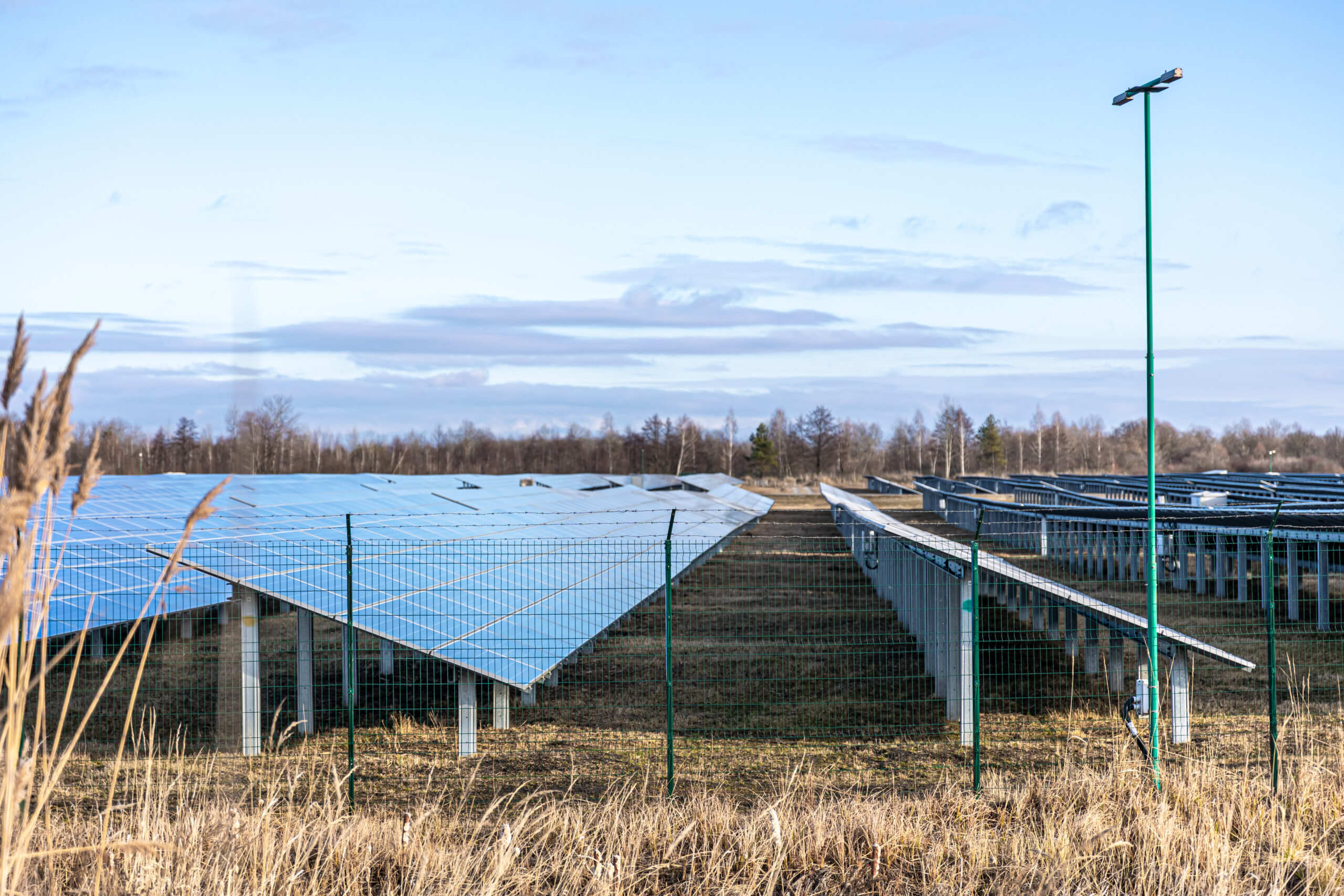
As industries face rising energy costs and growing pressure to reduce their carbon footprint, captive solar plants have emerged as a transformative solution. These on-site or near-site solar energy systems are tailored specifically to meet a company’s energy demands, offering both economic and environmental advantages. In the future-focused landscape of industrial growth, captive solar plants are rapidly becoming not just an alternative—but a necessity.
1. What is a Captive Solar Plant?
A captive solar plant is a solar power generation facility built and operated primarily to supply electricity to a specific industrial or commercial consumer. Unlike open-access solar projects that supply the grid, captive plants are directly linked to a particular organization through private wires or virtual net metering agreements.
2. Cost Savings & Energy Independence
One of the biggest incentives for industries to shift toward captive solar is long-term cost reduction. After the initial investment, solar energy becomes significantly cheaper than conventional electricity. Over time, industries can reduce dependence on fluctuating grid tariffs and achieve greater energy cost predictability.
Moreover, with various government subsidies and net metering policies, the return on investment (ROI) for captive solar installations continues to improve.
3. Sustainability & ESG Compliance
Environmental responsibility is no longer optional. Regulatory bodies, investors, and consumers are increasingly prioritizing ESG (Environmental, Social, and Governance) criteria. Captive solar plants help industries achieve green energy targets, reduce greenhouse gas emissions, and comply with sustainability mandates, making them more competitive in global markets.
4. Reliable and Uninterrupted Power Supply
Grid outages and load-shedding can severely impact industrial productivity. Captive solar plants, especially when integrated with battery storage, provide a reliable and consistent power supply, reducing operational downtime and improving efficiency.
5. Customizable and Scalable
Every industry has unique energy needs. Captive solar plants offer the flexibility to design systems based on specific load patterns and operational hours. Whether it’s a 1 MW rooftop installation or a 50 MW off-site solar farm, these systems can be scaled and customized as per future requirements.
6. Favorable Policies and Regulatory Support
Governments across the globe, including India, are actively promoting solar adoption through favorable policies. Incentives such as Accelerated Depreciation, GST benefits, net metering, and waivers on transmission charges make captive solar projects more attractive than ever.
Conclusion
The future of industrial energy is undeniably green, decentralized, and self-reliant. Captive solar plants align perfectly with this vision, offering industries the tools to reduce costs, boost sustainability, and gain energy independence. For businesses aiming to future-proof their operations, investing in a captive solar plant isn’t just a smart move—it’s a strategic imperative.