

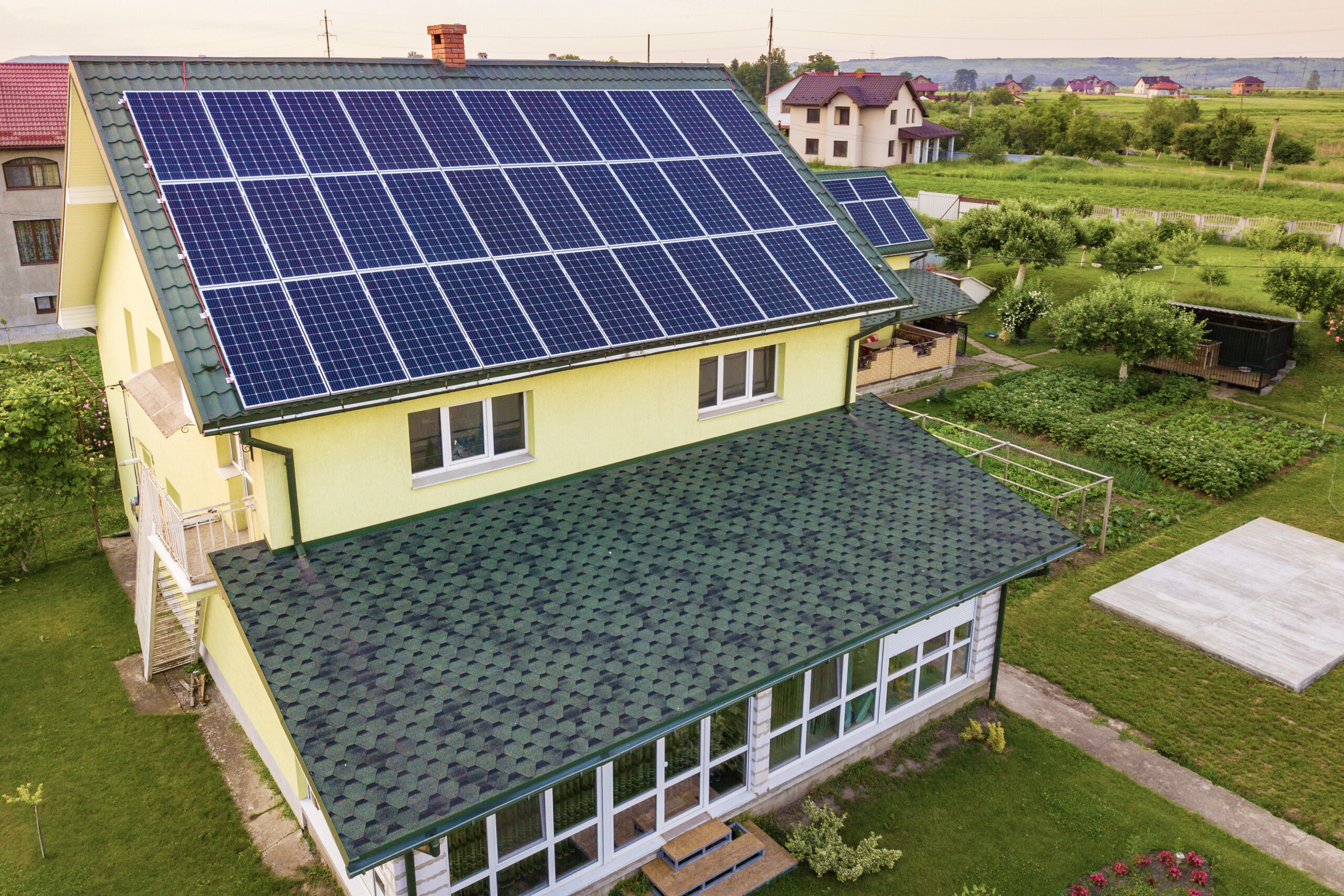
As the world leans into a greener future, the construction industry is witnessing a major shift toward sustainable design and energy efficiency. One innovation leading this transformation is BIPV, or Building-Integrated Photovoltaics—a revolutionary approach where solar panels are seamlessly integrated into the building envelope itself. From rooftops and facades to windows and shading systems, BIPV is shaping the next wave of sustainable architecture.
What is BIPV?
Unlike traditional solar systems, which are added to existing structures, BIPV systems are built into the architecture of a building. These photovoltaic materials serve a dual purpose: they generate renewable energy while functioning as building elements like roofing tiles, cladding, or glass panels.
This integration not only enhances aesthetics but also reduces material and labor costs by replacing conventional construction materials with energy-generating ones.
Why BIPV is the Future
- Aesthetic Appeal
- BIPV allows architects to maintain sleek, modern designs without compromising on sustainability. Panels can be customized to match the style and finish of the building, making them ideal for both residential and commercial projects.
- Energy Efficiency & Cost Savings
- By producing clean electricity on-site, BIPV systems reduce reliance on the grid and lower utility bills. Over time, they provide a significant return on investment through energy savings.
- Space Optimization
- In urban environments where roof space is limited, BIPV offers an efficient alternative by turning vertical surfaces like walls and windows into power generators.
- Sustainability Goals
- BIPV supports certifications like LEED and BREEAM by helping buildings meet energy efficiency and environmental impact targets. It’s a key contributor to net-zero energy building initiatives.
- Durability and Protection
- These systems are designed to withstand harsh weather while providing insulation, noise reduction, and UV protection—making them as functional as they are eco-friendly.
Applications of BIPV
- Commercial Buildings: Skyscrapers and office complexes integrate BIPV in curtain walls or facades for high energy output.
- Residential Homes: Rooftops and balconies are transformed into solar zones without compromising on design.
- Public Infrastructure: Schools, stadiums, and transport hubs are adopting BIPV to showcase their commitment to green energy.
Challenges & Considerations
While BIPV offers numerous advantages, it requires careful planning during the design phase. Factors like building orientation, shading, and local climate play a crucial role in performance. Additionally, upfront costs can be higher than conventional materials, though incentives and long-term savings often balance the investment.
The Verdict
BIPV is more than just a trend—it’s a paradigm shift in how we design and power our buildings. By blending technology with architecture, it offers a practical, stylish, and sustainable solution to the growing global demand for clean energy.
As cities aim to reduce carbon footprints and meet ambitious climate goals, selecting BIPV will be a key step toward smarter, self-sustaining urban landscapes.