

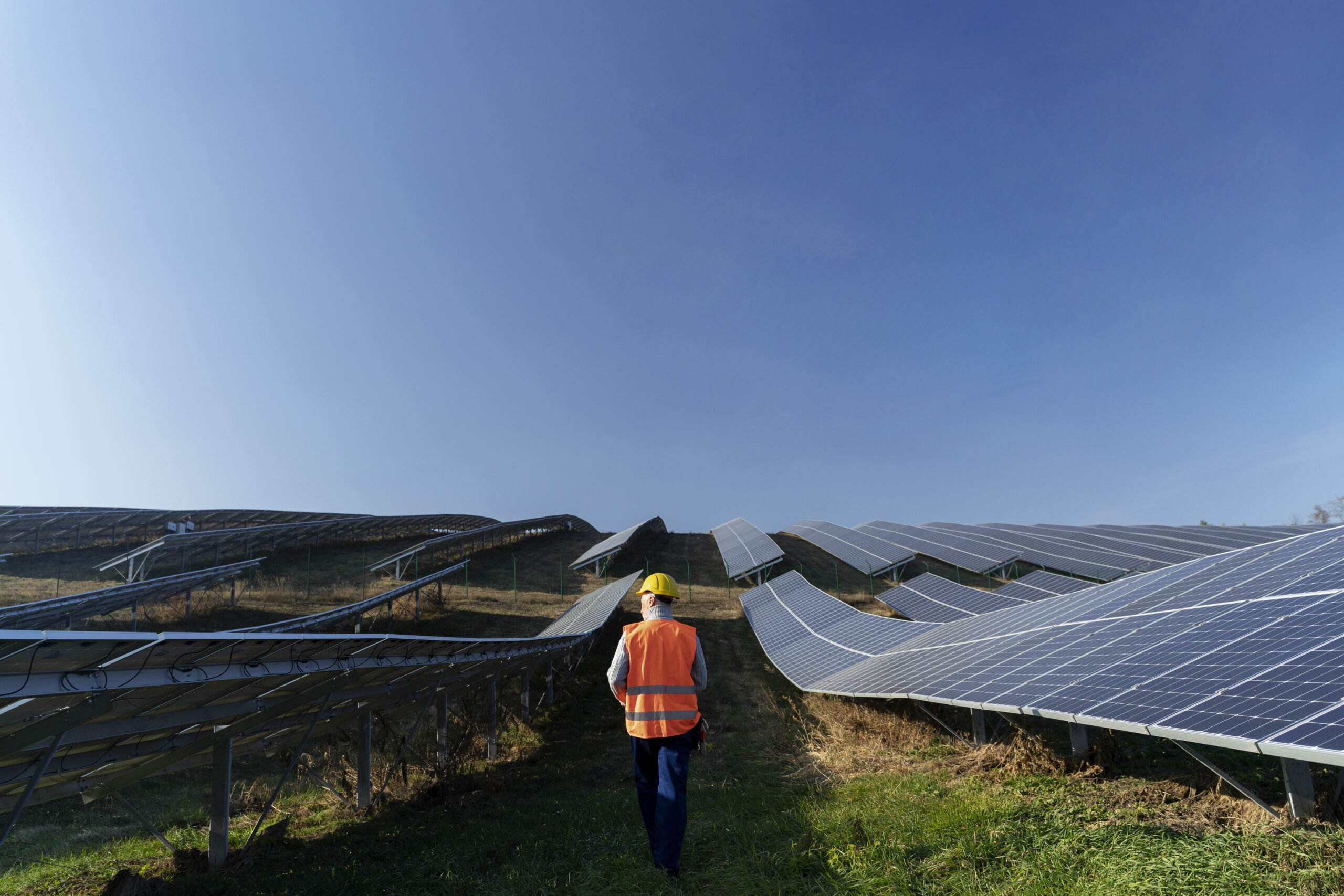
As the global urgency to transition toward clean energy accelerates, India continues to make significant strides—driven by both policy and private-sector innovation. One of the latest and most ambitious developments is CarbonMinus’ 1 GW solar expansion project in Maharashtra. This transformative initiative not only reflects the company’s commitment to sustainability but also positions Maharashtra as a key player in India’s renewable energy revolution.
A Vision Rooted in Sustainability
CarbonMinus has long been a leader in green energy solutions. With a mission to reduce carbon emissions through scalable clean technology, the company’s 1 GW solar initiative in Maharashtra is a milestone project aimed at reshaping the state’s energy landscape. Designed to power over 1 million homes, the project will significantly reduce dependency on fossil fuels, saving an estimated 1.5 million tons of CO₂ emissions annually.
Why Maharashtra?
Maharashtra offers a strategic blend of high solar irradiance, expansive land availability, and strong government backing for renewable projects. The state’s supportive regulatory framework, along with the recent push from both the state and central governments for clean energy adoption, makes it an ideal location for such a large-scale solar deployment.
Inside the Project: Technology and Scale
Spanning across multiple districts, the 1 GW project involves the construction of solar farms equipped with advanced PV modules, AI-powered energy management systems, and efficient grid connectivity infrastructure. These farms will be developed in phases over the next 24 months, with the first 300 MW expected to go live within the first year.
Key Features:
- Bifacial solar panels to harness energy from both sides.
- Tracker systems to follow the sun’s movement and maximize efficiency.
- Smart inverters and battery storage solutions to enhance grid stability.
Economic & Environmental Impact
Beyond the clean energy benefits, CarbonMinus’ project promises a ripple effect on the local economy. The initiative is expected to generate over 5,000 jobs during the construction phase and create hundreds of permanent roles in maintenance and operations.
Additionally, the solar parks will lead to:
- Improved rural infrastructure such as roads and electric lines.
- Training programs for local workers in renewable energy skills.
- Collaborations with local colleges to boost green tech education.
Community-Centric Development
What sets this project apart is its community-first approach. CarbonMinus has committed to allocating a portion of its revenues toward local development projects including:
- Solar-powered water pumps for farmers.
- Electrification of nearby schools and healthcare centers.
- Funding for women-led micro-enterprises in surrounding villages.
Looking Ahead
CarbonMinus’ 1 GW solar expansion in Maharashtra is more than just a power project—it’s a model for sustainable growth, energy independence, and climate responsibility. As India works toward its target of 500 GW of non-fossil fuel capacity by 2030, initiatives like these demonstrate the critical role of private-sector leadership in driving meaningful change.